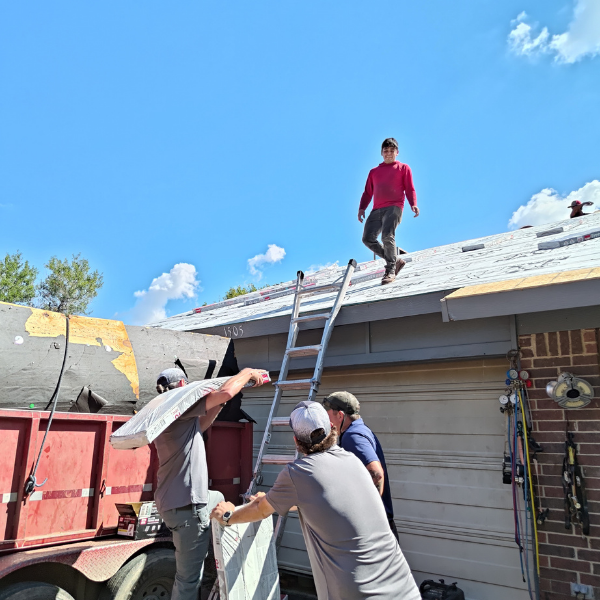
Your roof is more than just shingles you see from the ground. It is a complete system made up of multiple layers and components that work together to protect your home or building from the elements. Whether you are a homeowner or property manager in the DFW area, understanding the anatomy of a roof can help you make better decisions, catch issues early, and extend the life of your investment.
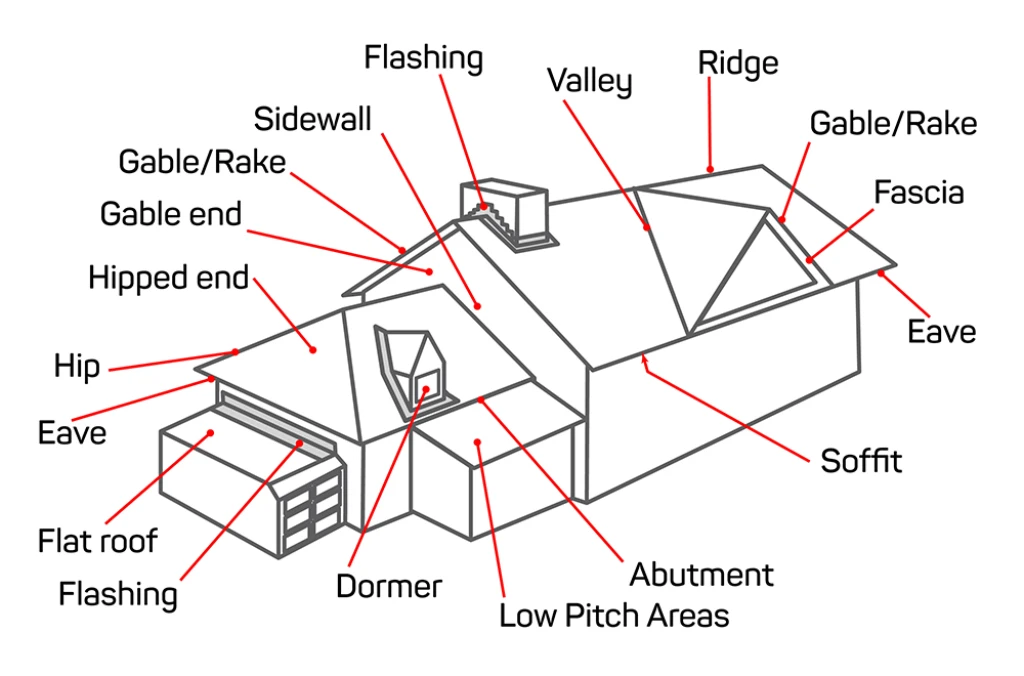
Roofing Components Every Property Owner Should Understand
A properly built roofing system is designed in layers, each with a specific purpose.
Roof Decking
This is the foundation of your roof, typically made of plywood or OSB. It supports all other roofing materials and plays a critical role in structural integrity.
Underlayment
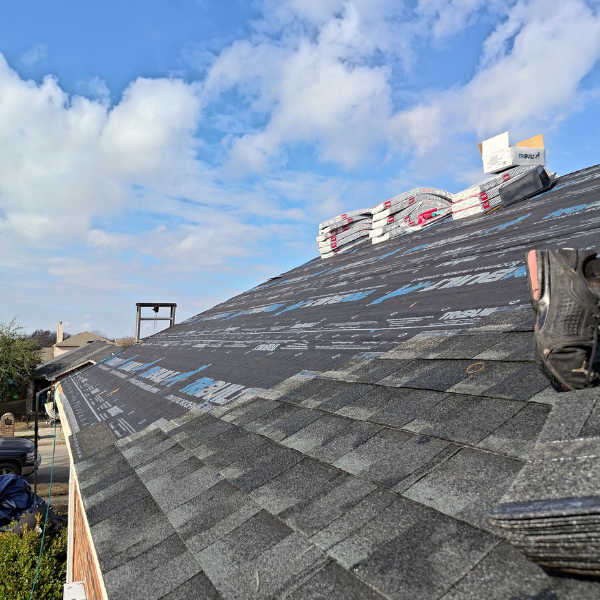
Installed directly over the decking, underlayment acts as a secondary barrier against moisture. It helps protect your home if shingles are damaged or blown off.
Shingles or Roofing Material
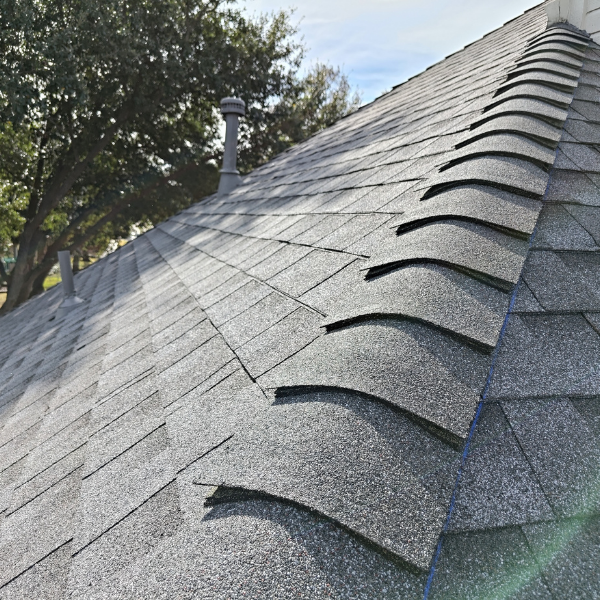
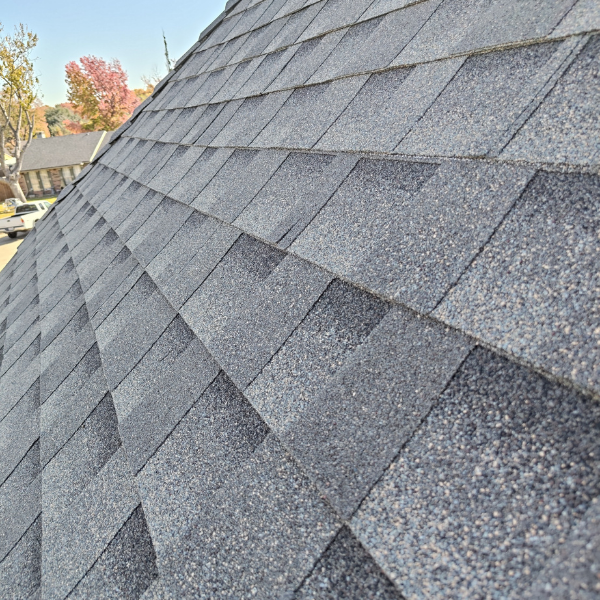
This is the outermost layer and your first line of defense against weather. Options include asphalt shingles, metal panels, and other materials depending on the structure.
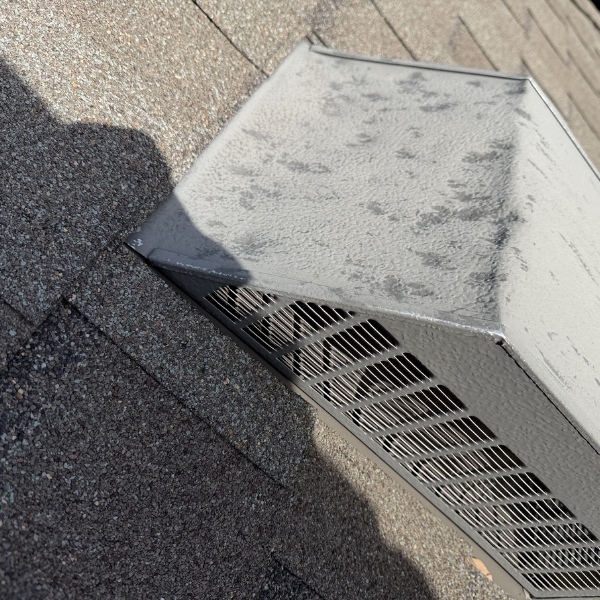
Flashing
Flashing is installed around roof penetrations such as chimneys, vents, and valleys. Its job is to prevent water from entering vulnerable areas.
Drip Edge
Installed along the edges of your roof, drip edge directs water away from fascia and helps prevent water damage.
Ventilation System
Proper ventilation allows heat and moisture to escape your attic, preventing mold growth and extending the life of your roof.
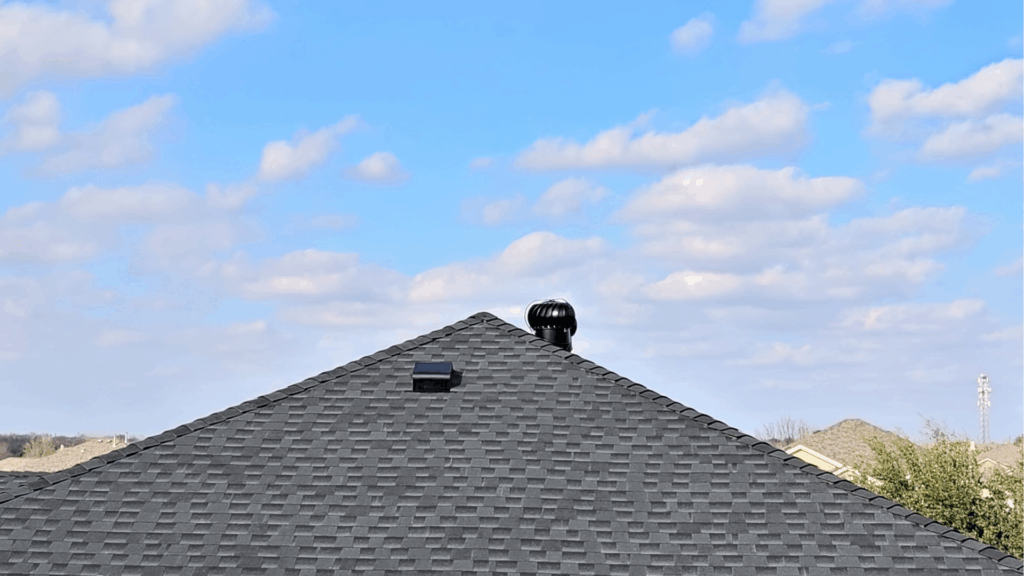
Residential Roofing Systems Explained
Residential roofs are typically designed with both protection and curb appeal in mind. Most homes use sloped roofing systems that allow water to run off efficiently.
Key features of residential roofing include:
- Asphalt or architectural shingles
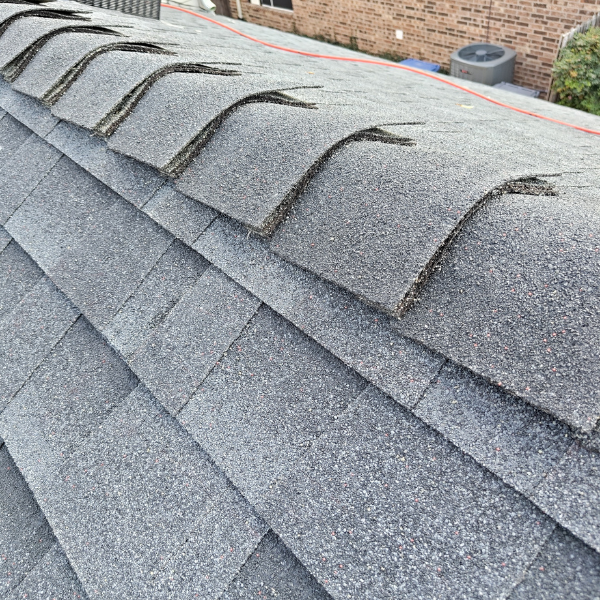
- Ridge vents and soffit ventilation
- Valleys where two roof slopes meet
- Eaves and overhangs for water control
These systems must be carefully installed to withstand wind, hail, and heat common across the DFW area.
Commercial Roofing Systems Explained
Commercial roofs differ significantly from residential systems. They are often flat or low slope and require specialized materials and installation techniques.
Common commercial roofing components include:
- TPO or modified bitumen roofing membranes
- Insulation layers for energy efficiency
- Drainage systems such as scuppers and internal drains
- Protective coatings to extend lifespan
Because water does not run off as easily on flat roofs, proper drainage and sealing are critical to prevent pooling and leaks.
Essential Roofing Structure Terms You Should Know
Understanding basic roofing terminology helps you communicate clearly with contractors and better understand your roof’s condition.
- Ridge: The highest point of the roof where two slopes meet
- Valley: The area where two slopes meet and channel water
- Eaves: The lower edges of the roof that extend beyond the walls
- Soffit: The underside of the eaves that helps with ventilation
- Fascia: The vertical edge that supports gutters
- Pitch: The slope or angle of your roof
These components all work together to create a system that protects your home from water intrusion and structural damage.
Why Proper Installation Matters More Than You Think
Even the best materials can fail if they are not installed correctly. Every layer of your roof must be properly placed and sealed to function as intended.
At StormVets, we take pride in delivering professional roofing installation backed by experience, attention to detail, and a commitment to doing things the right way. From residential homes to commercial properties, our team ensures every component of your roof is installed to perform under real world conditions.
We focus on long term durability, not shortcuts. That means using quality materials, proper techniques, and thorough inspections at every stage of the project.
A Roofing Company You Can Trust
StormVets is built on integrity, reliability, and customer first service. We understand that your roof is one of the most important investments you will ever make, and we treat it that way.
Our team works closely with homeowners and property owners to provide honest recommendations, clear communication, and results you can depend on. Whether you need a full roof replacement, repairs, or guidance after a storm, we are here to help every step of the way.
Protect Your Investment Before Problems Get Worse
Ignoring small roofing issues can lead to major damage over time. What starts as a minor problem can quickly turn into leaks, structural issues, and costly repairs.
If you suspect any damage or simply want peace of mind, StormVets offers free roof inspections to help you stay ahead of potential problems.
Do not wait until it is too late. Protect your home, protect your investment, and reach out today to schedule your inspection.